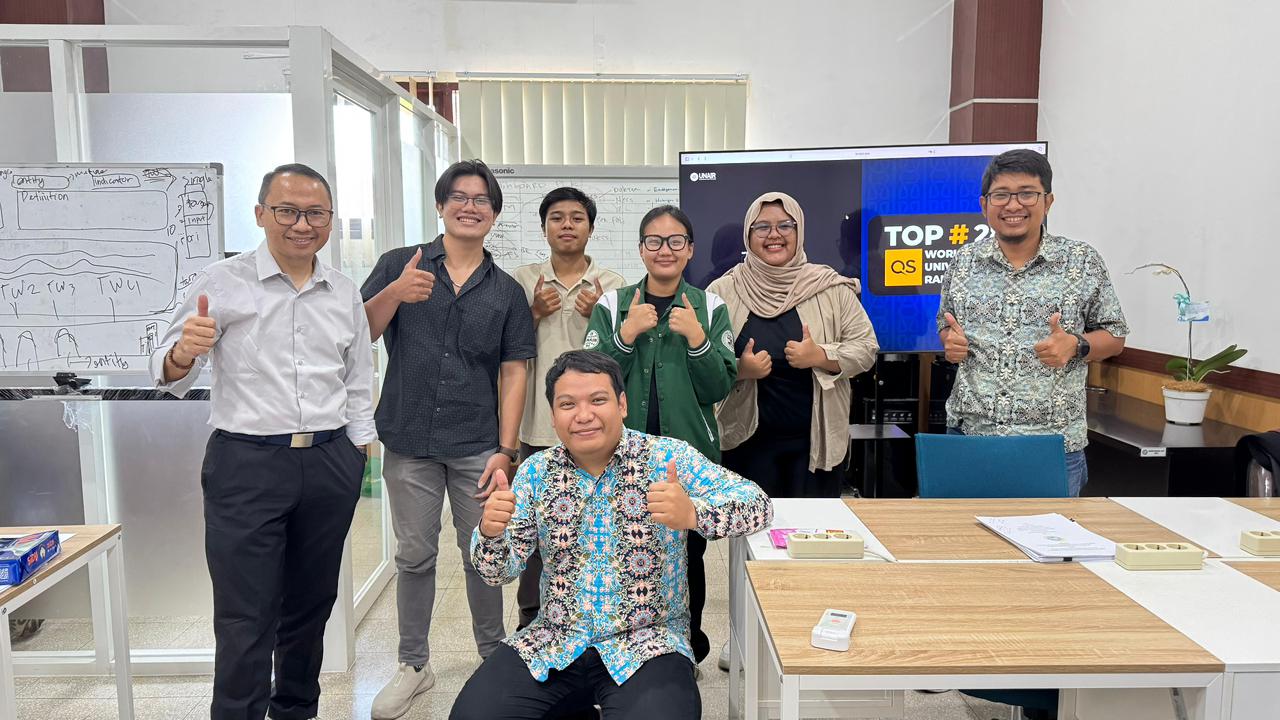




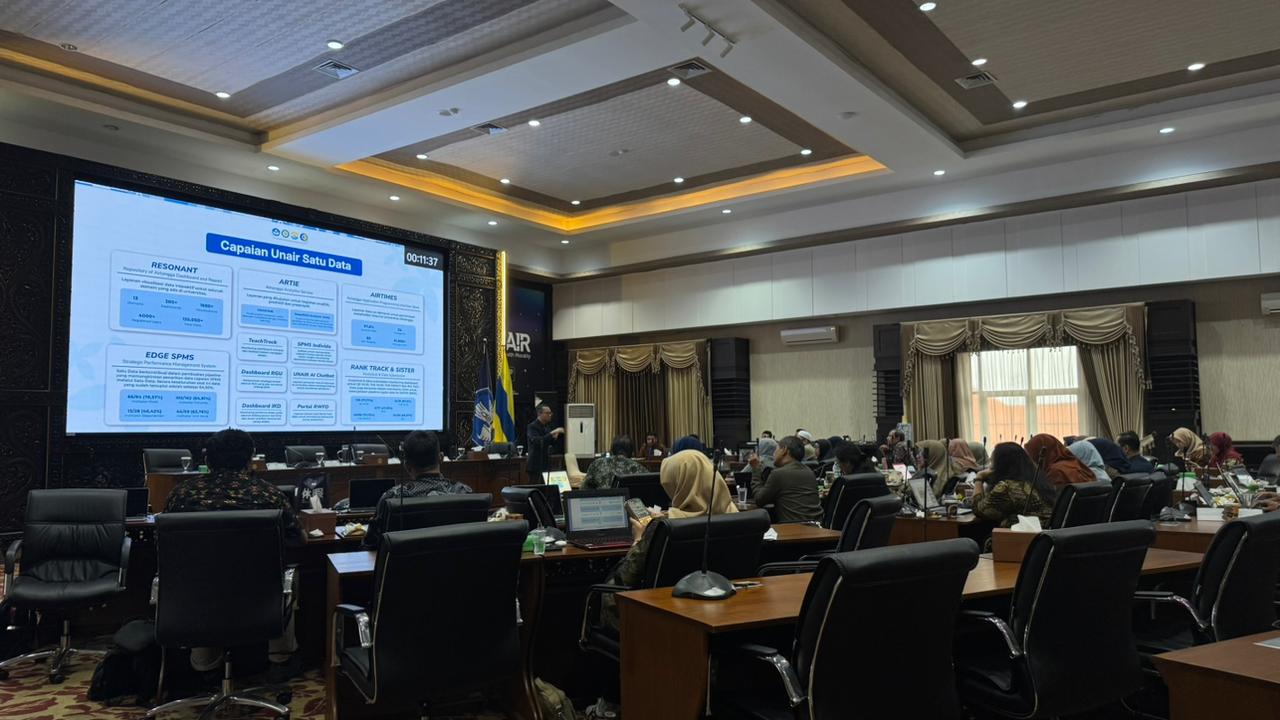
Surabaya, 2025 – On December 3rd & 4th, 2025, as part of its ongoing work to improve data governance and decision making, PUSAKA joined the Coordination Meeting for Study Program Coordinators at Universitas Airlangga. This two day program served as a strategic platform to strengthen institutional alignment, elevate data governance practices, and reinforce the university’s commitment to informed decision making.
The agenda began with a formal introduction to PUSAKA, outlining its mandate and role in supporting the university’s data decision making. The session emphasized the growing importance of structured and timely decision making within higher education, particularly as institutions navigate rapid shifts in academic demands. PUSAKA explained how consistent data utilization enables leadership to formulate more accurate policies, improve program performance, and respond effectively to emerging challenges. The session also covered how PUSAKA helps bridge that gap by providing structured data support for units across the university.
After the introduction, participants moved into a hands on exploration of RESONANT. In this segment, coordinators were invited to directly access and analyze graduate data while exploring related dashboards designed to support academic evaluation and strategic planning. The team guided them step by step as they navigated dashboards, compared trends, and practiced translating data into real decisions for their respective study programs. This practical approach helped show that data utilization is not only technical but also strategic and actionable. This hands on approach provided a clear illustration of how digital tools operationalize data governance at the study program level.
The program continued with an introduction to UNAIR’s AI chatbot, named ARUNA. PUSAKA presented ARUNA as part of the university’s broader investment in digital innovation and intelligent information services. The session walked participants through how ARUNA become as a strategic asset that will contribute to a more responsive and data enabled university environment. The discussion also touched on larger trends in digital innovation and global trends in Artificial Intelligence (AI).
Throughout the two day program, participants exchanged insights, raised practical questions, and reflected on how these tools could strengthen management at the study program level. The collaborative improvement made it clear that data governance requires both strong systems and active involvement from academic leaders. PUSAKA used the opportunity to gather feedback and better understand what coordinators need in order to embed data driven practices in daily operations.
“PUSAKA is still only three years old and there are still many issues that need to be addressed. However, it will continue to develop in the future. We respectfully ask for the continued participation of the Study Program Coordinators to provide constructive criticism and suggestions for our improvement moving forward.” told the Head of PUSAKA.
.jpg)